As AI spending accelerates and trust in institutions declines, Lynette Zang examines why financial exposure is not ownership and why physical gold and silver remain central to sound money strategies.
Water rights, corporate credit and gold custody reveal a common risk: the rules around what you depend on can change. Learn why ownership, access and sound money strategies matter.
Tokenization is changing how stocks, Treasury securities, gold, and other assets are owned and controlled. Lynette Zang explains why ownership rights, custody, collateral, and direct possession matter for financial sovereignty.
The yen crisis reveals a deeper weakness in the financial system. Lynette Zang explains financial claims, counterparty risk, physical gold, and why understanding what you actually own matters for wealth preservation.
Gold ETFs may provide exposure to gold prices, but Lynette Zang explains why that is different from owning physical gold and silver, and why direct ownership matters for wealth preservation and financial sovereignty.
Gold ETFs like PHYS and PSLV may be backed by real bullion, but physical backing is not physical possession. Lynette Zang explains the critical difference between gold and silver exposure, direct ownership, and building a sound money strategy with physical gold and silver.
The AI boom is driving massive infrastructure spending, rising debt, falling free cash flow, and new risks for workers. Lynette Zang explains why sound money strategies, self-sovereignty, and physical gold and silver matter as the financial system changes.
Gold prices have pulled back, yet Tether and central banks continue buying physical gold. Lynette Zang examines what this divergence may reveal about inflation, debt, financial uncertainty, and wealth preservation.
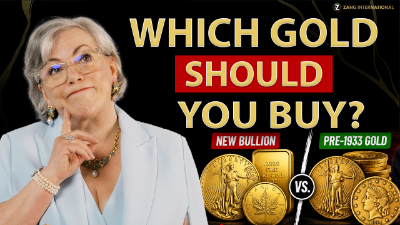
Is new gold bullion the safest way to own physical gold? Lynette Zang explains why she prefers pre-1933 gold coins, the risks she believes new bullion faces, and how a diversified sound money strategy can help protect wealth.




_400.jpeg)