



Introduction
In this LIVE Q&A, Lynette Zang opened with a powerful illustration about inflation, purchasing power, and the hidden effects of a debt-based fiat monetary system. Using historical wage data, stock market comparisons, and examples from countries experiencing severe inflation, she explained why rising numbers do not necessarily mean increasing wealth.
The central theme of this discussion was understanding the difference between nominal gains and real purchasing power, and why physical gold and silver continue to serve as important measures of value throughout history.
Opening Discussion: Why Does the Dollar Buy Less Every Year?
Lynette's Answer
Lynette began with a story about a kingdom where everyone measured wealth using the king's measuring stick. Each year, people appeared richer because wages, home prices, and stock market values increased. However, the king secretly shortened the measuring stick every year.
The lesson was that the numbers looked larger, but the actual value had not increased.
According to Lynette, this is exactly how inflation works. Inflation makes prices, wages, and asset values appear larger while purchasing power steadily declines.
She emphasized that many people focus on nominal values without realizing that the true measure of wealth is what their money can actually buy.
How Inflation Has Reduced Real Wages Since 1913
Lynette's Answer
Using historical wage data, Lynette compared average annual wages in 1913 to modern wages.
She explained that:
- The average annual wage in 1913 was approximately $800.
- Measured in gold, that represented about 38.7 ounces of gold annually.
- A single wage earner could support a family of four.
Today, average wages appear significantly higher at nearly $70,000 per year. However, when measured against gold, Lynette argued that workers are effectively earning less than half of what they earned in 1913.
According to her analysis:
- Modern households often require two income earners.
- Many families live paycheck to paycheck.
- A significant number of Americans struggle to cover unexpected expenses.
Lynette stated that if wages had maintained the same purchasing power measured in gold as they did in 1913, one income earner could still support a family of four.
Her conclusion was that inflation gradually erodes purchasing power while creating the appearance of rising prosperity.
Why Debt Increases as Purchasing Power Falls
Lynette's Answer
Lynette explained that wages are not designed to maintain purchasing power within the current fiat monetary system.
Instead, she argued that:
- Purchasing power declines slowly over time.
- Consumers attempt to maintain their lifestyles.
- Debt becomes the tool people use to bridge the gap between rising costs and stagnant purchasing power.
According to Lynette, this process gradually transforms consumers into what she described as "debt slaves," as they increasingly rely on borrowing to preserve their standard of living.
She emphasized that inflation consistently outpaces wage growth and that this outcome is built into the structure of a debt-based fiat system.
What Is the Real Cause of Inflation?
Lynette's Answer
Lynette challenged the common belief that inflation is purely a monetary phenomenon.
Instead, she described inflation as a consequence of:
- Government debt
- Fiat currency creation
- Interest-bearing debt expansion
She explained that every dollar created through debt ultimately carries an interest obligation. As debt accumulates throughout the system, purchasing power continues to deteriorate.
In her view, the decline of purchasing power is the most important measurement for evaluating economic health.
Are Stock Market Gains Creating Real Wealth?
Lynette's Answer
Lynette compared the nominal performance of the S&P 500 with inflation-adjusted performance.
She noted that stock market indexes continue reaching new highs, creating what she calls a "melt-up" phase.
However, she argued that investors often overlook an important reality:
- Stock market gains are measured in dollars.
- The dollar itself is losing purchasing power.
- Inflation reduces the real value of investment gains.
According to Lynette, many investors feel wealthier because portfolio values rise, but their actual purchasing power does not increase proportionally.
She stressed that nominal gains can create an illusion of wealth that disappears when investors attempt to spend those dollars.
How Has Gold Compared to the Stock Market?
Lynette's Answer
Lynette presented a long-term comparison between:
- The S&P 500
- Gold
- Silver
She pointed out that even using what she considers manipulated spot contract prices, gold has outperformed the S&P 500 over long periods.
Her argument was that:
- Stocks ultimately convert back into dollars.
- Dollars lose value over time.
- Physical gold preserves purchasing power more effectively.
She further stated that the quoted paper contract prices for gold do not accurately reflect what she believes is gold's true fundamental value.
What Can Venezuela Teach Us About Inflation?
Lynette's Answer
Lynette used Venezuela as a modern example of what happens when inflation becomes impossible to hide.
She explained that:
- Venezuela continues experiencing severe inflation.
- The country has undergone multiple currency revaluations.
- Previous versions of its currency have become obsolete.
According to Lynette, Venezuela demonstrates how governments can repeatedly alter currency systems while citizens experience significant losses in purchasing power.
She highlighted how stock market values in Venezuela have risen dramatically in nominal terms. However, once inflation is factored in, much of the apparent gain disappears.
Her message was that investors must always measure wealth using purchasing power rather than nominal figures.
Why Looking at the Wrong Measuring Stick Can Be Dangerous
Lynette's Answer
Throughout the presentation, Lynette repeatedly emphasized the importance of choosing the correct measuring stick.
She argued that:
- Nominal gains can be misleading.
- Inflation distorts financial reality.
- Purchasing power is the true measure of wealth.
Whether evaluating wages, savings, investments, or currencies, she encouraged viewers to focus on what their assets can actually buy rather than simply looking at larger numerical values.
What Role Do Gold and Silver Play During Currency Crises?
Lynette's Answer
Lynette concluded by discussing the historical role of physical gold and silver during monetary disruptions.
She described:
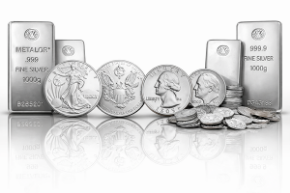
Silver as the Early Warning Signal
Silver, according to Lynette:
- Is more volatile than gold.
- Acts as a "canary in the coal mine."
- Signals changing conditions within the monetary system.
- Often attracts greater demand when gold becomes less affordable.
Gold as the Long-Term Anchor
Gold, she explained:
- Serves as a stable store of value.
- Preserves purchasing power over time.
- Functions as an anchor during periods of monetary instability.
Lynette stressed that both gold and silver represent sound money and have historically maintained value when fiat currencies lose credibility.
She concluded by pointing to examples such as Venezuela and Zimbabwe, arguing that when fiat currencies fail, people consistently return to gold and silver as trusted forms of money.
Key Takeaways from This LIVE Q&A
- Inflation increases prices while reducing purchasing power.
- Rising wages do not necessarily mean greater prosperity.
- Debt expansion contributes to ongoing currency devaluation.
- Nominal stock market gains may not reflect real wealth creation.
- Purchasing power is a more important measure than raw dollar values.
- Venezuela and Zimbabwe illustrate the dangers of currency debasement.
- Physical gold and silver have historically preserved value during monetary crises.
- Silver often serves as an early warning signal, while gold functions as a long-term store of value.
- Sound money strategies focus on preserving purchasing power rather than chasing nominal gains.
Learn More About Sound Money Strategies
Understanding the difference between nominal wealth and real purchasing power is essential for long-term wealth preservation. As Lynette Zang explains, measuring wealth through the lens of purchasing power can reveal risks that traditional financial metrics often hide.
To learn more about sound money strategies, financial freedom, economic collapse preparation, and how physical gold and silver can help protect purchasing power during periods of inflation and monetary instability, connect with the team at Zang International today.

