

The Financial System Is Built on Belief
Most people assume the financial system is built on money. Lynette Zang argues that it is built on something far more fragile: belief.
People agree to work for dollars because they believe those dollars will hold value. They save, invest, and plan for the future because they believe their efforts will pay off. They trust that economic leaders know what they are doing and that the system will continue functioning as expected.
According to Lynette, that belief has been the foundation of the modern financial system for decades.
To illustrate this point, she draws on the classic story of The Emperor's New Clothes. In the tale, everyone pretends the emperor is wearing magnificent clothing because they are afraid to acknowledge the truth. Only when a child points out that the emperor has no clothes does the illusion collapse.
Lynette suggests the modern financial system faces a similar challenge. Every system depends on the next generation believing that sacrifice today will lead to a better future tomorrow. When that belief begins to disappear, the foundation starts to crack.
The Federal Reserve's Most Important Asset: Trust
The discussion turns to comments from Federal Reserve meeting minutes regarding repeated supply shocks testing the "inflation anchor."
Kenneth Mraz asks what that inflation anchor really is.
According to Lynette, it is public confidence.
The anchor is the belief that the Federal Reserve can control inflation and manage economic stability. For years, people trusted that if inflation rose, the Fed would raise interest rates and bring it under control. If economic growth slowed, the Fed would lower rates and inject liquidity into the system.
As long as people believed those tools worked, confidence remained intact.
However, that confidence has faced significant challenges in recent years. Inflation that was described as "transitory" proved more persistent than expected. Following extensive money creation during 2020, inflation expectations moved into a higher and more volatile range.
For Lynette and Kenneth, this shift represents more than a temporary economic issue. They view it as evidence that confidence in central bank control is weakening.
Inflation Is No Longer Seen as Temporary
The pair highlight what they describe as a clear change in inflation expectations after 2020.
Rather than remaining within a stable range, inflation expectations broke into a new pattern characterized by higher highs, higher lows, and greater volatility.
From their perspective, this pattern signals growing skepticism about the ability of central banks to maintain control.
More importantly, it reflects a broader issue: people are increasingly questioning whether those in charge can deliver on the promises they have made.
Once trust begins to weaken, confidence follows.
Public Trust in Government Continues to Fall
Lynette points to a dramatic decline in public trust in government over the past several decades.
Where nearly 80% of Americans trusted government institutions in the 1960s, current trust levels have fallen to approximately 17%.
She argues that this is not simply a political issue.
Instead, it reflects a growing sense among many people that the system no longer works for them. As confidence declines, people become more skeptical of official narratives and more likely to question institutions that once enjoyed broad public trust.
Kenneth adds that repeated instances where people feel misled contribute to declining confidence and rising inflation expectations.
Together, they see these developments as characteristics often associated with the later stages of a currency's life cycle.
Economic Confidence Is Falling
Economic confidence, according to the discussion, is another critical component of system stability.
People spend money, invest, and make long-term plans when they believe tomorrow will be better than today.
When optimism disappears, economic activity begins to slow.
Lynette points to a sharp decline in economic confidence, noting a shift from strongly positive readings in 2020 to deeply negative territory today.
People may not understand every economic indicator, but they understand what they experience in daily life:
- Rising costs
- Increased uncertainty
- Greater financial stress
- Difficulty meeting basic expenses
When families need financing options simply to purchase necessities, many begin questioning whether economic reality matches the promises they have been given.
The American Dream Under Pressure
The conversation then focuses on younger generations and the traditional promise of upward mobility.
For decades, Americans were told that education, hard work, and perseverance would create opportunities for a better life. That belief formed the basis of what became known as the American Dream.
Lynette argues that many young people are increasingly questioning that promise.
A particularly striking example discussed during the presentation involved college graduates reacting negatively to discussions about artificial intelligence during a commencement speech.
According to Kenneth, many graduates no longer hear "innovation" when AI is discussed. Instead, they hear "replacement."
The concern is not simply technological change. It is the fear that opportunities may be shrinking rather than expanding.
At the same time, unemployment among younger college graduates has been rising, adding to concerns about long-term upward mobility.
The Dangerous Consequences of Lost Opportunity
Lynette emphasizes that every stable society depends on the next generation believing that sacrifice is worthwhile.
Parents sacrifice for their children.
Workers sacrifice for retirement.
Students sacrifice for future opportunities.
When people believe those sacrifices will lead to a better future, they remain patient and committed to the system.
However, if younger generations conclude that upward mobility is disappearing, Lynette argues that the psychological foundation supporting the system begins to weaken.
History shows that significant social and economic changes often occur when enough people stop believing the existing system serves their interests.
Why Gold and Silver Matter During Periods of Distrust
As trust in institutions declines, people naturally begin searching for alternatives.
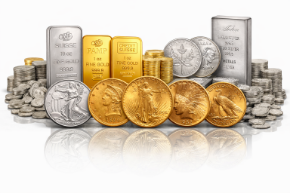
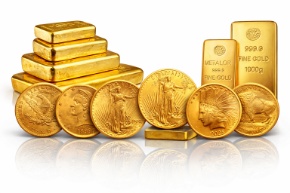
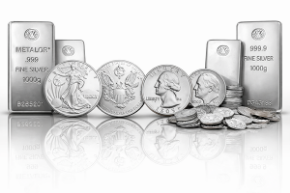
Lynette notes that historically, physical gold and silver were not alternatives to the monetary system. They were the monetary system.
She describes gold as representing independence from:
- Governments
- Central banks
- Paper promises
- Debt-based systems
Rather than viewing physical gold and silver primarily as investments, Lynette frames them as savings and wealth preservation tools.
While prices may rise over time, she argues that the more important story is the declining purchasing power of fiat currencies.
Throughout the discussion, she emphasizes that sound money strategies are ultimately about reducing dependence on systems that require public confidence to function.
The Dollar's Strength Versus Its Purchasing Power
Kenneth raises another important observation.
Although the U.S. dollar appears strong when compared to many foreign currencies, its purchasing power has fallen dramatically over time.
He notes that the dollar has officially lost approximately 97% of its purchasing power according to historical measures.
This creates a paradox.
A currency can appear strong relative to other currencies while simultaneously losing purchasing power in real-world terms.
Lynette explains that when comparing currencies against physical gold and silver, those precious metals consistently outperform currency values over both short and long periods.
In her view, currency strength is often relative. A stronger dollar may simply indicate that other currencies are weakening even faster.
Confidence Is the Real Story
Ultimately, Lynette argues that every fiat currency system depends on confidence.
Confidence depends on trust.
And trust is increasingly being tested.
She believes the current environment is about much more than inflation, debt, or even recession concerns. The deeper issue is whether people still believe the system will deliver a better future.
When confidence disappears, systems do not necessarily collapse overnight. Instead, they weaken gradually as people lose faith and begin seeking alternatives.
Building Resilience Through Sound Money Strategies
Lynette concludes by emphasizing that individuals face an important choice during periods of uncertainty.
They can become increasingly dependent on a system they no longer trust, or they can become more independent and resilient.
At Zang International, that means focusing on:
- Sound money strategies
- Physical gold and silver
- Wealth preservation
- Food security
- Water security
- Energy preparedness
- Community support networks
- Shelter and personal resilience
According to Lynette, true wealth is not simply measured by what someone owns.
It is measured by how resilient they remain when the world around them changes.
As confidence continues to evolve across governments, central banks, and financial markets, she believes individuals should focus on building sovereignty, independence, and preparedness rooted in tangible assets and strong communities.
Final Thoughts
The central message of Lynette Zang and Kenneth Mraz's discussion is straightforward: financial systems ultimately depend on belief.
The story of The Emperor's New Clothes serves as a reminder that perceptions can persist for long periods, but eventually reality asserts itself.
Whether discussing inflation, public trust, economic confidence, or the future of upward mobility, the underlying theme remains the same: confidence is the foundation of every fiat currency system.
For those seeking greater financial freedom and long-term wealth preservation, understanding currency life cycles, building resilience, and implementing sound money strategies with physical gold and silver may provide a path toward greater independence in an increasingly uncertain world.
Learn More About Sound Money Strategies
If you're concerned about declining purchasing power, growing debt burdens, and the long-term stability of the financial system, now is the time to learn how sound money strategies can help protect your future.
Contact Zang International to discover how physical gold and silver, tangible assets, and wealth preservation strategies may help you build financial resilience and prepare for whatever economic changes lie ahead.

