



Wall Street’s Boom Could Become Main Street’s Collapse
In this LIVE Q&A, Lynette Zang breaks down the growing divide between Wall Street and Main Street, warning that rising debt, inflation, weakening purchasing power, and escalating global instability are exposing major cracks in the financial system. She explains why physical gold and silver remain central to sound money strategies and why local community preparation is becoming increasingly important in an era of potential CBDCs, economic instability, and hyperinflationary pressures.
Below is a full summary of the audience questions and Lynette Zang’s responses from the livestream.
Opening Discussion: Wall Street vs. Main Street
Lynette began by highlighting the growing disconnect between booming financial markets and the deteriorating financial condition of everyday consumers.
She explained that corporations continue to appear profitable largely because they are borrowing heavily, while consumers struggle with inflation, debt, and declining real wages. She pointed to rising Treasury yields across the 2-year, 10-year, and 30-year bonds as a major warning sign that investors are demanding higher compensation for growing financial risk.
According to Lynette, inflation pressures are escalating through both consumer prices and producer prices, while purchasing power continues to erode. She emphasized that Wall Street benefits from asset inflation while Main Street experiences life inflation.
She also discussed:
- Rising global demand for physical gold and silver
- Growing divergence between paper contracts and physical metals markets
- Central bank accumulation of gold
- Increasing retail demand for bars and coins globally
- The importance of wealth preservation through tangible assets
Q&A Summary
Question:
“What are the best private storage facilities in Australia for storing precious metals?”
Lynette Zang’s Answer:
Lynette recommended Good as Gold Australia as a private vault option and noted that she personally visited their vault facility. She stressed the importance of avoiding government-affiliated vaults whenever possible.
Question:
“If a CBDC or fully trackable digital currency system is implemented, how could individuals realistically establish and participate in local barter systems using silver?”
Lynette Zang’s Answer:
Lynette explained that local barter systems can still function outside centralized financial systems. She said silver and gold maintain value because they are physical assets with real-world utility.
She emphasized:
- Hyperinflation causes economies to become highly localized
- Fractional silver can facilitate barter
- Communities can exchange labor, food, and goods directly
- Physical gold and silver remain usable regardless of digital systems
She stressed that sound money strategies require building local relationships before a crisis occurs.
Question:
“In a fully monitored CBDC environment, what practical exit ramps would remain for privately using or liquidating precious metals?”
Lynette Zang’s Answer:
Lynette warned that under a fully monitored CBDC system, privacy would largely disappear for transactions occurring inside the official system.
She stated that:
- Local barter may remain possible
- Global transactions would likely be tracked
- Governments could restrict financial access with a single button
- Citizens must push back against centralized monetary control
She argued that restoring redeemable gold into the monetary system is essential for regaining public power.
Question:
“Where, if anywhere, can we sell precious metals without capital gains?”
Lynette Zang’s Answer:
Lynette focused less on finding loopholes and more on changing legislation. She discussed the growing sound money movement working to remove taxes on gold and silver at the state level.
She explained:
- Gold and silver should not be taxed because they are money
- Grassroots political action is necessary
- Citizens must pressure state legislatures
- Momentum behind sound money legislation is increasing
Question:
“How do I create a local barter system using silver if the government imposes a CBDC?”
Lynette Zang’s Answer:
Lynette explained that barter happens outside the financial system entirely.
Examples she provided included:
- Trading labor for food
- Building relationships with local farmers
- Participating in community gardens
- Creating networks of trusted local exchange
She emphasized that financial freedom increasingly depends on local resilience and community cooperation.
Question:
“If every transaction is tracked under a CBDC system, what is the exit ramp for precious metals?”
Lynette Zang’s Answer:
Lynette stated bluntly that there would be little privacy left inside such a system. She encouraged viewers to support sound money legislation and join movements working to restore redeemable gold into the monetary structure.
She repeatedly stressed:
- Community resilience
- Tangible assets
- Physical gold and silver
- Local self-sufficiency
Question:
“Is buying silver Valcambi a good investment?”
Lynette Zang’s Answer:
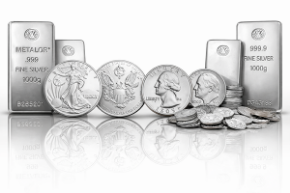
Lynette said she likes silver “in any form,” especially fractional and highly divisible forms useful for barter.
She particularly favored:
- Junk silver
- Constitutional silver
- Fractional silver products
- Sterling silver
She explained that smaller units improve barterability during periods of economic instability.
Question:
“Gold went from $35 to $850 in the 1970s. Could gold hit $10,000?”
Lynette Zang’s Answer:
Lynette responded that even $10,000 gold could eventually appear insignificant in a hyperinflationary environment.
Her main point was:
- A rising gold price reflects a failing currency
- Governments suppress gold prices to maintain confidence
- Gold eventually reprices against collapsing fiat currencies
She stressed that the true issue is not the nominal dollar price of gold, but the destruction of fiat purchasing power.
Question:
“What are the signs of a gold revaluation?”
Lynette Zang’s Answer:
Lynette believes a revaluation would likely occur during or after severe hyperinflationary stress.
She connected the process to:
- Rising interest rates
- Unsustainable debt growth
- Exploding government interest expenses
- Global monetary restructuring
She warned viewers to prepare before such a transition becomes obvious.
Question:
“What is the difference between a devaluation and a revaluation?”
Lynette Zang’s Answer:
Lynette described devaluation as the slow erosion of purchasing power through inflation.
She described revaluation as:
- A sudden overnight reset
- A dramatic repricing of gold
- A recognition of gold’s true fundamental value
She argued that gold and silver remain the only forms of money not created by governments.
Question:
“Could gold reach $10 million an ounce?”
Lynette Zang’s Answer:
Lynette said it was possible in nominal terms during a currency collapse, but warned that such prices would reflect fiat destruction rather than increased real wealth.
She repeatedly emphasized:
- Numbers alone are meaningless
- Purchasing power is what matters
- Physical gold preserves wealth during monetary resets
Question:
“Can anyone predict when the market will crash?”
Lynette Zang’s Answer:
Lynette explained that exact timing is impossible, but technical warning signs are already flashing.
She pointed to:
- Rising interest rates
- Expanding Federal Reserve balance sheets
- Excessive debt
- Overvalued markets
- Fragile financial structures
She stressed that preparation matters more than perfect timing.
Question:
“Should I keep some cash?”
Lynette Zang’s Answer:
Yes. Lynette said maintaining liquidity is important, especially during the early stages of crisis.
However, she stressed that cash should only be one component of a broader sound money strategy that includes:
- Physical gold and silver
- Fractional metals
- Food
- Water
- Energy
- Security
- Community
Question:
“Are paper precious metals markets the same as fiat currency?”
Lynette Zang’s Answer:
Lynette clarified that physical gold and silver are fundamentally different from paper contracts.
She explained:
- Futures contracts are paper promises
- Physical metals have intrinsic utility
- Paper markets suppress visible prices
- Redeemability is critical
She warned that non-redeemable tokenized gold products carry counterparty risk.
Question:
“Will governments confiscate silver?”
Lynette Zang’s Answer:
Lynette said she is less concerned about silver confiscation than gold confiscation because silver is heavily consumed industrially and much harder to track.
She recommended diversification into:
- Constitutional silver
- Sterling silver
- Collectible forms
- Pre-1933 gold
She believes collectible categories may offer additional protection.
Question:
“Could the gold-to-silver ratio fall to 20-to-1 or 15-to-1?”
Lynette Zang’s Answer:
Lynette believes it is possible during periods of heightened monetary stress because silver tends to move faster than gold.
However, she noted:
- Silver is more volatile
- Gold remains the primary monetary anchor
- Ratios can shift dramatically during resets
Question:
“Could something major happen before the Fourth of July?”
Lynette Zang’s Answer:
Lynette expressed serious concern about oil shortages, geopolitical instability, and weakening global reserves.
She warned that:
- Supply disruptions can escalate rapidly
- Energy shortages affect the entire economy
- Individuals should prepare immediately rather than wait
Question:
“Why are gold and silver prices falling?”
Lynette Zang’s Answer:
Lynette explained that paper market volatility does not reflect the true value of physical metals.
She attributed price swings to:
- Margin calls
- Paper speculation
- Debt-based trading
- Liquidity stress
She maintained that physical demand remains extremely strong globally.
Question:
“Is it still worth accumulating gold and silver even with heavy taxes?”
Lynette Zang’s Answer:
Yes. Lynette argued that owning something tangible is still far superior to holding depreciating fiat currency.
She emphasized:
- Governments intentionally discourage ownership
- Inflation silently destroys savings
- Physical gold and silver preserve purchasing power
- Tangible assets remain critical during systemic resets
Lynette Zang’s Core Message
Throughout the livestream, Lynette repeatedly returned to several major themes:
Wall Street Is Not Reflecting Economic Reality
She warned that stock market gains are masking deep systemic weakness beneath the surface economy.
Debt Is Becoming Unsustainable
Governments, corporations, and consumers are all increasingly dependent on debt rollovers at higher interest rates.
Inflation Is Destroying Purchasing Power
Real wages continue to lag behind inflation, placing increasing stress on households.
Physical Gold and Silver Matter
Lynette strongly distinguished physical precious metals from paper contracts and emphasized their role in wealth preservation and financial freedom.
Community Is Essential
She repeatedly stressed the importance of:
- Local food systems
- Water access
- Energy security
- Barterability
- Community resilience
Final Thoughts
Lynette Zang closed the livestream with a deeply personal story about generosity, community, and purpose. Her central message was that preparation is not solely about wealth accumulation. It is about preserving freedom, helping others, and building resilient local communities capable of enduring systemic instability.
Her consistent message throughout the Q&A was clear:
Physical gold and silver are not speculation. They are foundational tools for wealth preservation, barterability, and long-term financial security during periods of economic collapse preparation and monetary transition.
To learn more about Zang International’s sound money strategies and how physical gold and silver can help protect your purchasing power, visit ZangIntl.com and speak with a strategy specialist about building a personalized wealth preservation plan.

