

The story of the Great Depression is often told as a sudden market collapse fueled by fear and bank runs. But according to Lynette Zang, the real story goes much deeper. It was not simply panic that created the crisis. It was decades of monetary expansion, debt creation, and the deliberate transfer of risk from financial insiders to the general public.
Today, Lynette warns that many of the same patterns are unfolding again.
From artificially inflated asset markets to unlimited credit access and aggressive money creation, the current financial system mirrors many of the same dynamics that led to the crash of 1929. The difference now is the scale.
How the Monetary System Changed Before the Great Depression
Lynette explains that before the Federal Reserve system fully transformed the economy, the United States operated under a gold-backed monetary system. Under that framework, there were natural limitations on how much money could be created because currency was tied directly to physical gold.
At one point, one-twentieth of an ounce of gold backed one dollar.
That changed when the Federal Reserve system introduced greater “flexibility” into the monetary structure. According to Lynette, that same twentieth of an ounce of gold eventually backed vastly more currency, dramatically increasing the amount of fiat money circulating in the system.
This shift also transformed money itself.
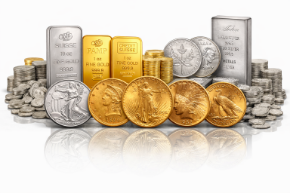
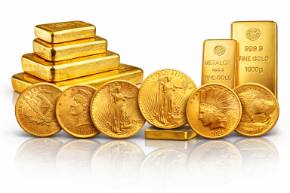
Americans originally used gold coins as money. Over time, those coins were replaced with paper currency and Federal Reserve notes, which Lynette describes as corporate debt instruments.
The difference between those forms of money becomes clear when purchasing power is examined.
Every version of the $20 bill still carries the same nominal face value today. But the purchasing power behind each version has changed dramatically. A historic $20 gold coin now carries a market value thousands of dollars higher than the paper equivalent because physical gold retained value while fiat currency lost purchasing power over time.
For Lynette, this is proof that physical gold and silver remain critical tools for wealth preservation and financial freedom.
How Credit Fueled the Roaring Twenties
The economic boom of the 1920s did not happen organically. Lynette explains that it was fueled by massive money creation and widespread access to credit.
The introduction of debt-based money into the system dramatically expanded the money supply. According to Lynette, nearly two and a half times more fiat currency entered circulation during that era. That flood of new money created the appearance of prosperity.
For the first time, ordinary Americans had widespread access to borrowing.
Consumers could finance purchases, businesses had more cash flow, and speculative investment exploded. Stock prices soared higher and higher as more people poured money into the markets.
At the same time, many Americans watched wealthy industrialists profit enormously and wanted to participate in the same success.
That environment created the famous “Roaring Twenties.”
But beneath the surface, Lynette says it was nothing more than a debt-fueled house of cards.
The “Credit Punch Bowl” That Created the Crash
Lynette uses the term “credit punch bowl” to describe the easy borrowing environment that existed before the crash.
Almost anyone could gain access to credit. Consumers borrowed aggressively, believing rising markets and endless growth would continue indefinitely.
But credit is not wealth.
Debt must eventually be serviced, refinanced, or repaid.
As long as easy money continued flowing through the system, markets kept climbing. But once the Federal Reserve and central banks pulled that credit support away, the system began collapsing.
That, according to Lynette, is what triggered the crash of 1929.
More importantly, she argues that financial insiders saw the danger coming long before the public did.
As markets became increasingly overvalued, large industrialists and insiders quietly exited positions and took profits while ordinary investors continued buying into the rally. By the time credit tightened, much of the financial risk had already been transferred from the wealthy few to the broader public.
Lynette describes this as one of the greatest wealth transfer mechanisms in history.
Why Today’s Economy Looks Alarmingly Familiar
According to Lynette, the same structure exists today.
Years of ultra-low interest rates, aggressive money printing, and easy access to debt have inflated stocks, real estate, and other financial assets. Consumers once again rely heavily on credit to maintain lifestyles and continue spending.
Meanwhile, governments, corporations, and households are buried under mountains of debt.
Lynette warns that many people mistake rising asset prices for genuine prosperity, when in reality those gains are often fueled by currency debasement and financial engineering.
She points out that central banks continue repeating the same policies that failed during the Great Depression era:
- Near-zero interest rate policies
- Massive money creation
- Debt expansion
- Artificial market support
- Credit stimulation
The result is a financial system increasingly dependent on perpetual debt growth.
But eventually, debt reaches a point where it can no longer be serviced sustainably.
That is the reckoning Lynette believes the world is approaching now.
The Danger of Building Wealth on Debt
One of the core warnings Lynette emphasizes is that wealth built primarily on debt is inherently unstable.
When individuals, corporations, and governments rely on borrowing to sustain growth, the system becomes vulnerable to even small disruptions in credit availability or rising interest costs.
If credit conditions tighten, heavily leveraged systems begin breaking down quickly.
That is why Lynette repeatedly stresses the importance of moving wealth into tangible assets that are outside the debt-based financial system.
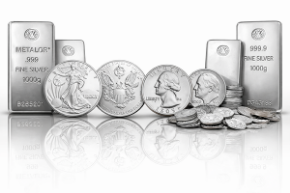
According to her, physical gold and silver have consistently survived monetary resets throughout history because they are not someone else’s liability.
Unlike fiat currency or debt instruments, tangible assets cannot be printed into existence.
As inflation erodes purchasing power and confidence in financial institutions weakens, Lynette believes sound money strategies become increasingly important for long-term wealth preservation and economic collapse preparation.
Why Purchasing Power Matters More Than Face Value
One of the clearest lessons Lynette highlights is the difference between nominal value and real value.
A $20 bill may still say “20 dollars” on its face, but its purchasing power has collapsed over time.
Gold, on the other hand, has maintained purchasing power across generations.
For Lynette, this is not speculation. It is historical evidence showing the long-term consequences of unchecked fiat currency creation.
As governments continue expanding debt and central banks continue debasing currencies, she believes individuals must focus less on paper wealth and more on preserving real purchasing power.
That is why she advocates for sound money strategies centered around physical gold and silver.
Final Thoughts
Lynette Zang believes the Great Depression was not simply an economic accident. It was the result of aggressive money printing, easy credit, inflated asset bubbles, and the transfer of financial risk from insiders to the public.
Today, she sees many of those same patterns repeating on an even larger scale.
The expansion of debt, the erosion of purchasing power, and the growing instability of the financial system are all warning signs that individuals should take seriously.
For those focused on financial freedom and wealth preservation, Lynette argues that understanding history is critical because the same monetary patterns continue repeating throughout generations.
The question is whether people will recognize the warning signs before the next major reset unfolds.
If you want to learn more about sound money strategies, wealth preservation, and how physical gold and silver can help protect your purchasing power during times of economic uncertainty, connect with the team at Zang International today.

