


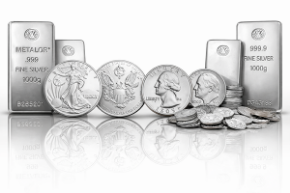

Texas is taking a significant step toward bringing gold and silver into the modern monetary system. Beginning September 1, qualifying gold and silver specie will formally be recognized as legal tender under Texas state law. Then, beginning May 1, 2027, the state is authorized to implement an electronic payment system backed by gold and silver bullion held in the Texas Bullion Depository.
For advocates of sound money, that may sound like an obvious victory. But Lynette Zang argues that the words "gold-backed" should be the beginning of the conversation, not the end.
The real questions are about ownership, redemption, competition, control, and the ability to exit the system.
Texas Recognizes Gold and Silver as Legal Tender
Texas businesses can already voluntarily accept physical gold and silver as payment. People have always been able to agree on what they are willing to exchange with one another.
What changes on September 1 is the state's formal recognition of qualifying gold and silver specie as legal tender.
Nobody is required to use or accept it. That distinction matters because, as Lynette explains, sound money should expand people's choices rather than replace one compulsory monetary system with another.
But legal tender recognition is only the first part of the Texas story.
The state has also authorized an electronic payment system using currency backed by gold and silver bullion held in the Texas Bullion Depository. That portion of the law takes effect May 1, 2027.
In effect, Texas is preparing to put physical gold and silver on digital rails.
Solving Gold's Convenience Problem
One longstanding criticism of physical gold and silver is convenience.
How do you use an ounce of gold to buy groceries? How do you make change? How do you transfer value across town in seconds?
Those are legitimate challenges, but Lynette emphasizes an important distinction: they are primarily problems with the payment rail, not the underlying tangible asset.
Technology can change the rail.
Imagine physical bullion sitting in a depository while a representation of that bullion moves electronically when someone makes a payment. The physical gold or silver remains underneath the system, while a digital layer potentially provides the speed and convenience consumers have come to expect.
That could make sound money significantly easier to use.
But convenience alone does not make a monetary system sound.
"Gold-Backed" Is Not the Same as Redeemable
This is where Lynette urges caution.
The phrase "backed by gold" can sound reassuring, but backing and redemption are not necessarily the same thing.
As she puts it:
"Backed by is not the same thing as redeemable."
Earlier versions of the Texas legislation included more specific language concerning bullion being held in trust and maintaining enough metal to redeem all of the currency.
The final enrolled legislation is different. It says the electronic currency will be backed by gold and silver bullion held in the Texas Bullion Depository, but according to Lynette's analysis, it does not spell out a direct right for holders to redeem the electronic currency for physical metal.
That does not mean physical redemption will not be available. It means critical details remain unanswered while the implementation rules are still being developed.
And those details could determine whether this becomes a genuine sound money alternative or another system built around financial claims.
The Questions That Determine What You Actually Own
Suppose an individual's phone says they own 10 gold units.
What do those units legally represent?
That simple question opens the door to several others:
- Can those units be redeemed for physical gold?
- Who legally owns the bullion while it sits in the depository?
- What fees apply?
- Who audits the bullion?
- What happens when someone wants to leave the electronic system completely?
These are not minor technical details.
They are ownership questions, and Lynette argues that ownership is where sovereignty lives.
If the holder cannot access the underlying physical gold and silver, the electronic unit could ultimately function as another digital claim standing between the individual and the tangible asset.
That is fundamentally different from direct ownership.
Could the State Become the New Gatekeeper?
Lynette and Daniel Diaz are also watching another issue closely: who controls access to the system.
They support states recognizing physical gold and silver as legal tender. What they do not want is for the state to gradually become the only doorway through which people can access sound money.
An earlier version of the Texas bill would have made the Texas Bullion Depository the state's exclusive issuer of the specie. That provision did not survive in the final law, a change Lynette considers important.
However, the state still has substantial influence over the electronic system.
As described in the video, the comptroller can establish or authorize one or more systems, approve vendors including financial institutions, and establish rules concerning transaction security, valuation, and fees.
That raises an essential question:
Does the system create another option for the public, or could it eventually create another gatekeeper?
Moving away from one centralized structure only to replace it with another would miss the broader purpose of sound money.
Sound Money Is About More Than Attaching Gold to a Currency
The label "digital gold" does not tell investors enough about what they own.
The structure does.
For decades, fiat currency has become increasingly convenient. Consumers can swipe, tap, or click and transfer value almost instantly.
Gold and silver did not necessarily lose what Lynette describes as their monetary properties. They lost the convenience battle.
Modern technology could begin closing that gap.
Digital rails do not have to belong exclusively to fiat currencies. Physical gold and silver can potentially travel on modern payment infrastructure too.
But only if the structure protects what makes sound money sound in the first place.
For Lynette, that means real backing, clear ownership, competition, the ability to exit, and a clear path to physical redemption.
Why Physical Redemption Matters
The ability to redeem digital units for physical metal is especially important because redemption provides an exit from the electronic system.
Without that path, an individual could simply hold another digital claim on an underlying asset.
And a claim is not the same thing as direct ownership.
This distinction is central to Zang International's broader approach to wealth preservation and financial freedom. Whether an asset moves physically or electronically, investors need to understand exactly what they own, who controls it, and what it can actually do when needed.
What to Watch as Texas Implements Digital Gold and Silver
As Texas moves toward implementation, Lynette and Daniel plan to follow several critical areas through Sound Money Hour.
Among the questions they will be watching are how redemption works, what electronic holders legally own, who can become an approved vendor, whether private providers can continue competing, what fees users will pay, and how the underlying bullion will be audited.
Lynette also wants to see whether federal tax treatment becomes part of the larger sound money discussion.
Supporting the effort to expand gold and silver's monetary role does not mean ignoring unresolved issues.
It means asking harder questions.
Does this system give people another genuine choice?
Can holders access the underlying physical metal?
Can the rules change?
Can users leave the system?
And ultimately, does the structure put more control in the hands of individuals or someone else?
Those questions determine whether the system actually strengthens sovereignty.
Physical Gold and Silver Still Come Back to Ownership
The Texas development also raises a broader question for anyone who already owns precious metals: Is your gold and silver structured to accomplish what you need it to do?
Zang International's approach does not begin simply by asking how many ounces someone wants to purchase. It begins by asking what that person is trying to protect.
That is the foundation of sound money strategies built around tangible assets and physical gold and silver.
Whether the rail is physical or digital, the fundamental questions remain the same:
What do you own, and what can it actually do for you when you need it?
Texas has opened a new door for sound money. The next step is understanding exactly where that door leads.
Build Your Sound Money Strategy
If the development of digital gold has you questioning how your current gold and silver holdings are structured, Zang International's strategy specialists can help you examine whether your tangible assets align with what you are trying to protect.
Learn more about Zang International's sound money strategies and how physical gold and silver can play a role in wealth preservation, financial freedom, and preparation for monetary uncertainty.

